Clear aligner therapy
Explore Invisalign. Find answers. Take your next step.
Explore an illustrative 3D model and practical information before your first consultation or after speaking with your clinic. No app or account needed.
Which best describes you?
After — illustrative example
Same jaw and camera angle as the before view
Illustrative example — not your personal treatment plan or a prediction of your result. Your own plan is built from a digital scan of your teeth taken at the clinic.
Real patient results
See what changed for past patients
Drag any photo to compare before and after. Swipe sideways to see the next patient.
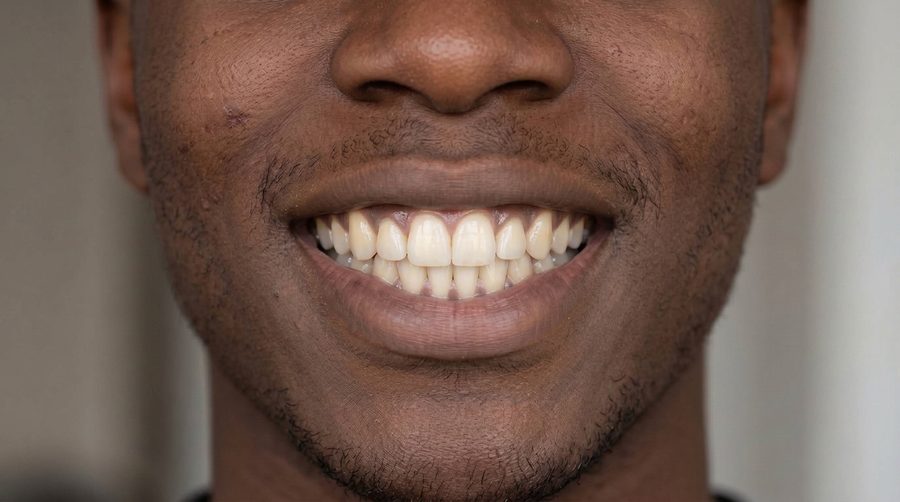
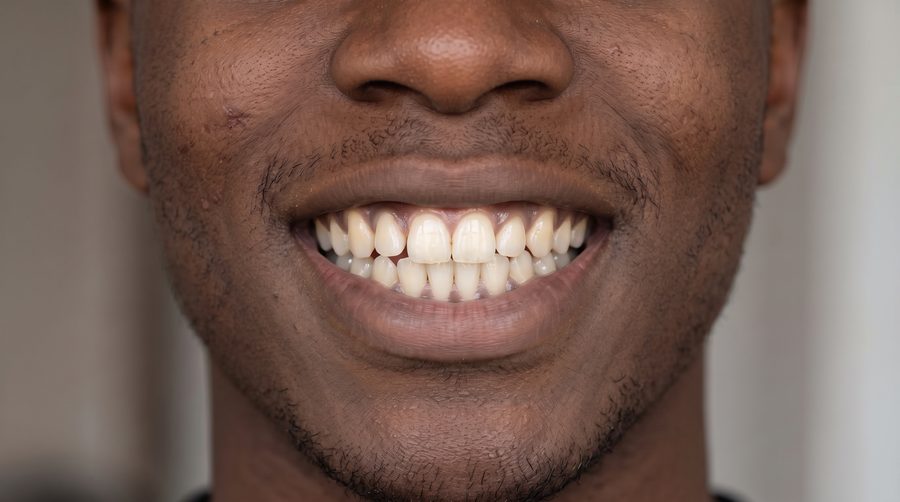 After
Before
Drag to compare
After
Before
Drag to compare
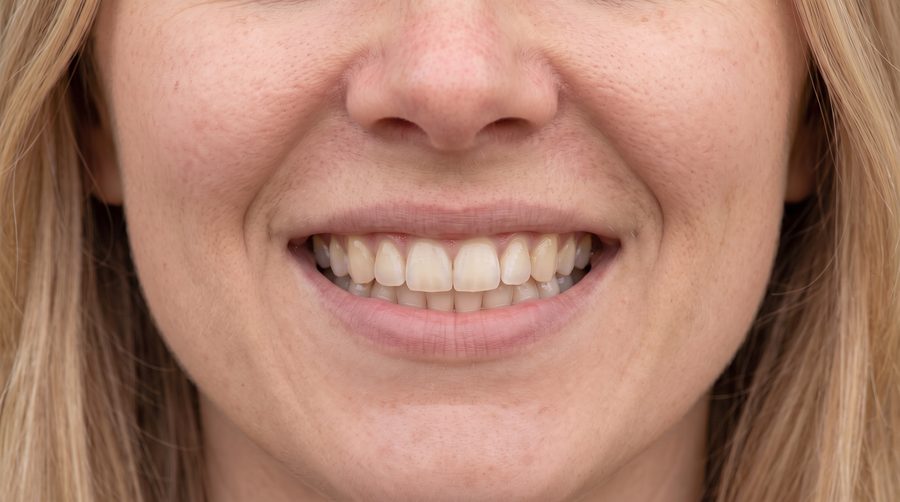
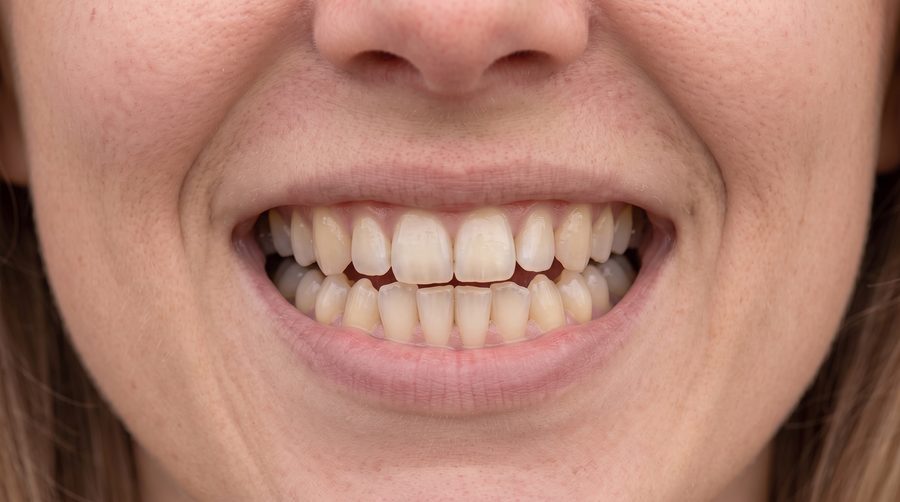 After
Before
Drag to compare
After
Before
Drag to compare
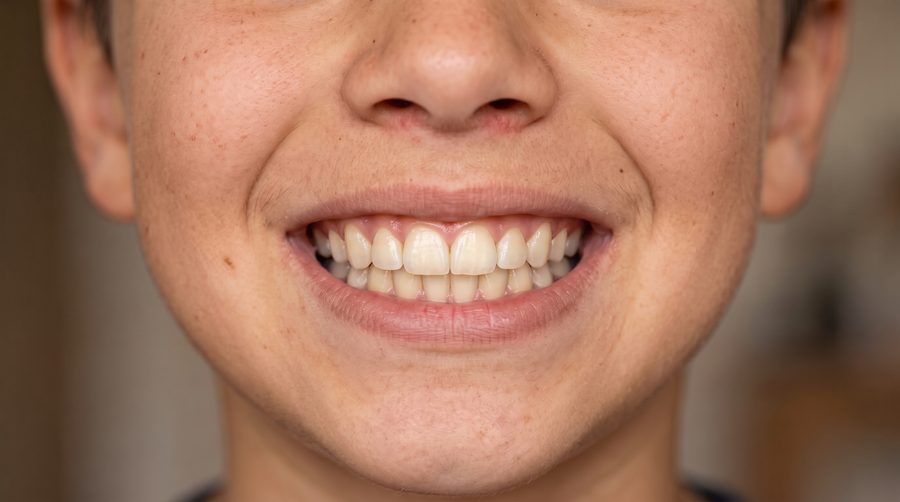
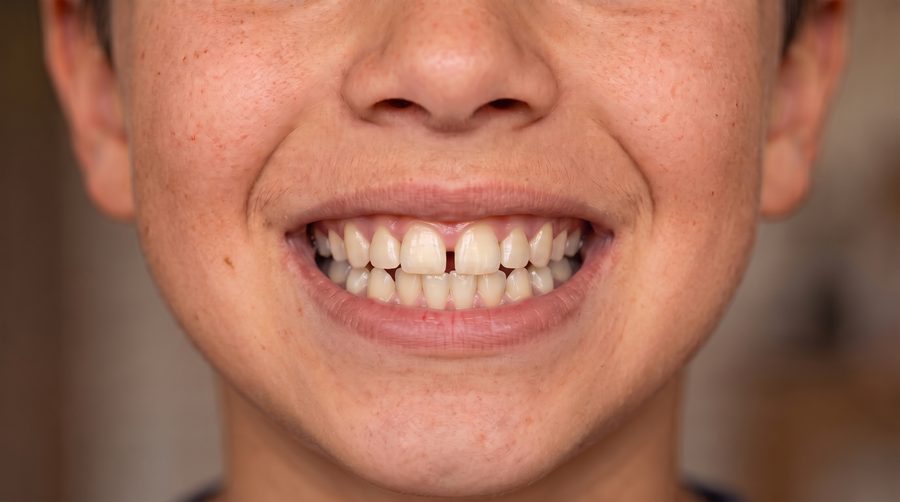 After
Before
Drag to compare
After
Before
Drag to compare
Illustrative patient photos shared for this demo — individual results vary and are not guaranteed.
Compare the look
Braces or clear aligners? See the difference.
Drag the slider to reveal more of either side and see how each option changes the smile.
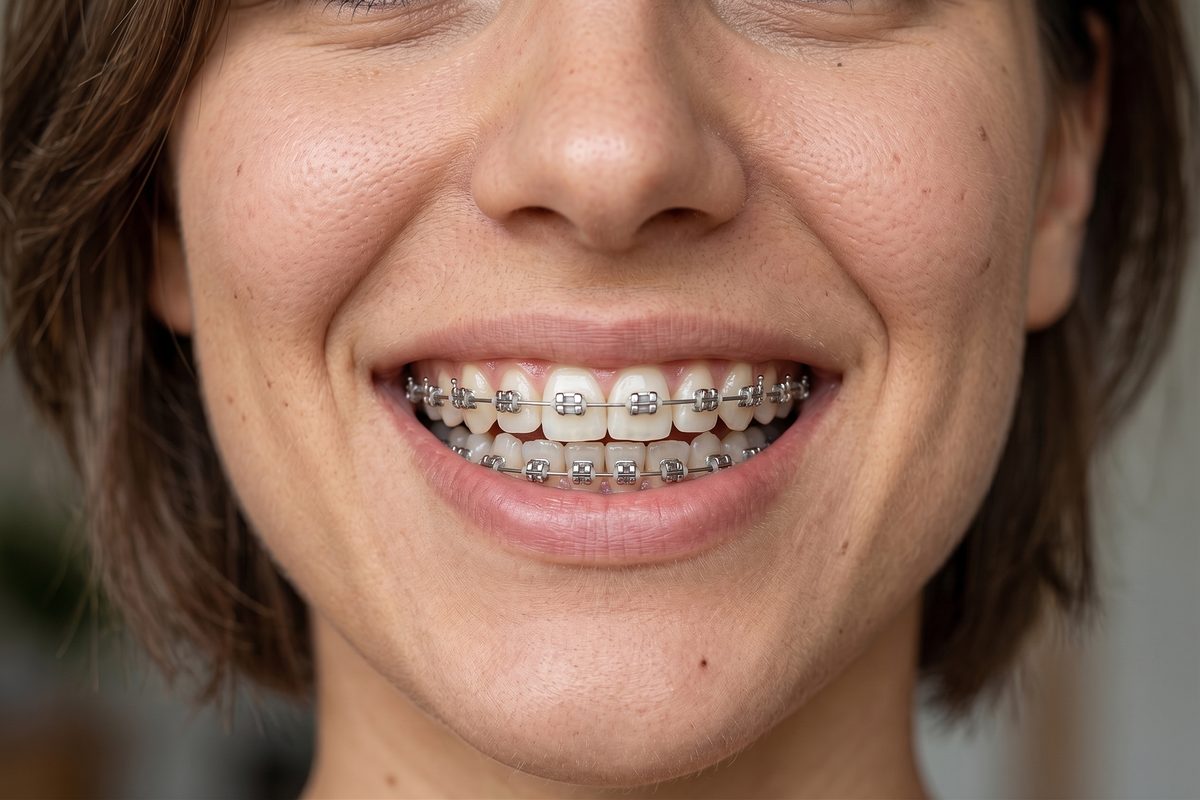
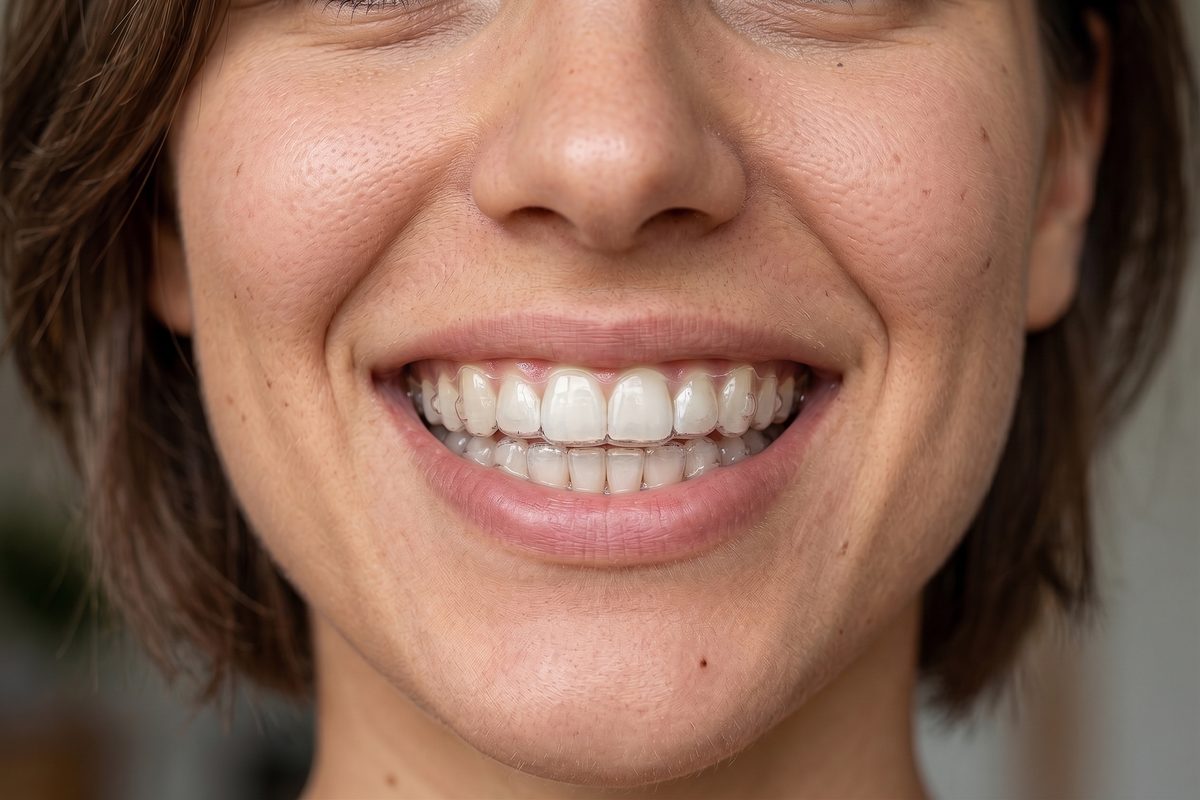 Clear aligners
Braces
Drag to compare
Clear aligners
Braces
Drag to compare
Illustrative photos with different dentitions. Appearance comparison only — not a treatment outcome prediction.
Why patients choose it
Straight teeth, without the metal
A series of clear, removable trays moves your teeth in small, planned increments. You take them out to eat and to brush, and most people around you will not notice you are wearing them.
Months of treatment
Mild spacing or crowding often resolves in about six months. More complex bites can take up to two years. Your clinician gives you a range at the first consultation.
Worn per day
Trays stay in day and night, including while you sleep. They come out only for meals and for brushing, then go straight back in.
Weeks per tray
Each tray in the series continues the movement planned by the previous one. You swap them yourself at home, with check-ups at the clinic along the way.
How it works
Four steps, start to finish
Digital scan
A handheld scanner builds a 3D model of your teeth in a few minutes. No trays of impression paste, no gagging.
Treatment plan you can see
Your clinician sets the target position and reviews every planned movement with you. The interactive model above is a general illustration. Your clinician will explain your personalised treatment plan using your own records.
Your series of trays
Your full set of trays is made to your plan and handed to you with a simple schedule. You swap them yourself at home, on the dates given.
Check-ups and retention
Short visits confirm your teeth are tracking as planned. Once treatment ends, a retainer keeps the result in place.
Common questions
Before you book
Does it hurt?
Expect pressure and mild tenderness for a day or two after each new tray. That sensation is the tooth movement doing its job. It settles quickly, and most people manage with nothing stronger than an over-the-counter painkiller.
Will people notice?
The trays are clear and fit closely to your teeth, so most people will not notice them in normal conversation. Small tooth-colored attachments are sometimes bonded to certain teeth to help the trays grip, and they are removed once treatment is complete.
Can I eat and drink normally?
You take the trays out to eat, so nothing is off the menu. Just remove them for anything other than water, then brush before putting them back in.
What if I lose one?
Go back to wearing your previous tray and call the clinic the same day. We will order a replacement and adjust your schedule so treatment stays on track.
Am I a candidate?
Most spacing, crowding, and mild-to-moderate bite issues can be treated this way. More complex skeletal cases may need a different approach, and a consultation with a scan will confirm what is right for you.
Book your consultation
Bring your questions. A first consultation typically includes a scan and a timeline discussion. There is no obligation to start.
Enjoyed your visit?
A quick review helps other patients find us and takes less than a minute. (In this demo, five stars is a placeholder — it is not a real measured rating.)